

The concept of planting trees to combat climate change is appealing in its simplicity and natural appeal. And many companies have touted their efforts and pledge to plant trees to offset their impact. However, while trees are indeed valuable allies in our environmental efforts, relying solely on planting trees as a means to reverse climate change is an overly optimistic and insufficient approach. This article aims to shed light on the beneficial role of tree planting while highlighting its limitations, backed by quantitative data and examples.
The Role of Trees in Carbon Sequestration
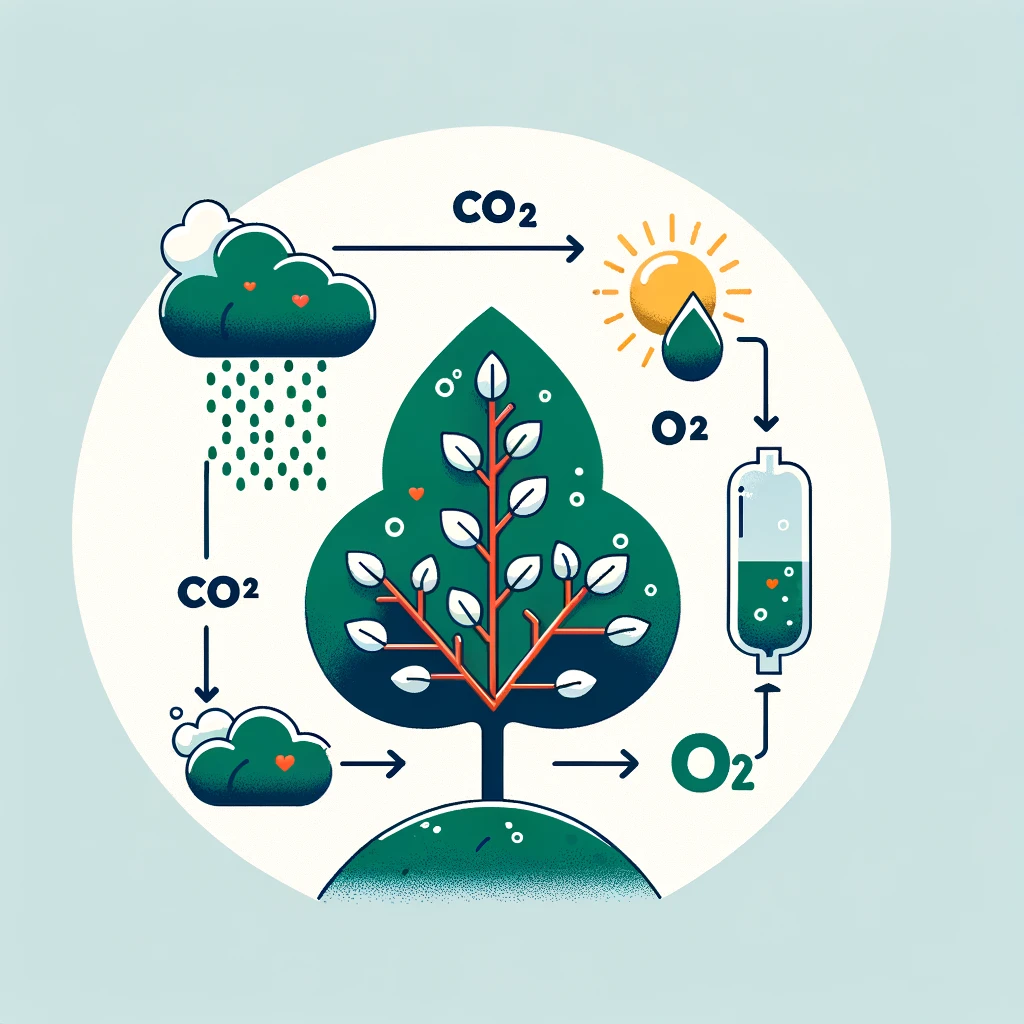
Trees are nature’s carbon-capture powerhouses. On average, a young, healthy tree can absorb about 22 pounds (10 kilograms) of CO2 per year and up to about 48 pounds (22 kilograms) annually as it matures. Over its lifetime, a single tree can absorb roughly one ton of CO2. While these numbers demonstrate the individual power of trees, the broader impact requires a much larger scale.
The Limitations of Tree Planting
Despite the clear benefits, several factors limit the efficacy of tree planting as a standalone solution to climate change:
- Space Constraints: The sheer volume of trees needed to make a substantial dent in global CO2 levels is staggering. A study in the journal Science (2019) suggested that planting about 1.2 trillion trees could theoretically absorb two-thirds of human-made carbon emissions. However, this would require over 3.5 million square miles of land – an area about the size of the United States – dedicated solely to this purpose. Currently, there isn’t enough suitable, available, and unoccupied land to reach these numbers without encroaching on vital agricultural or urban areas.
- Growth Time: Trees take time to grow and reach their full carbon-absorbing potential. This delay means that the benefits of today’s planting efforts will not be fully realized for several decades, a timeline that doesn’t align with the urgent need to reduce atmospheric CO2 levels.
- Ecological and Agricultural Considerations: Planting massive numbers of trees, especially in monoculture formations, can disrupt local ecosystems. Moreover, converting large tracts of land to forests could impinge on agricultural productivity, posing threats to food security. This can lead to making diversity disappear for an elusive benefit.
- Emission Reduction Overshadowing: Emphasizing tree planting can detract from the critical need to reduce current CO2 emissions. To put it in perspective, global CO2 emissions in 2019 were approximately 36.8 billion tons. Even with effective tree-planting campaigns, this massive emission volume cannot be offset solely by forests and we have to find, and develop other alternatives.
Beyond the physical limitations of Tree planting
An additional caveat to consider : Many of the tree-planting projects that company claim to offset their emission are plain green-washing as they cover areas that are already forested and oftentimes even protected parks that would have otherwise remained forested so the claims are in fact detrimental as we allow the corresponding emissions to be released when in fact no offset was made.
For instance, the World Resources Institute in Mexico found issues with Mexico’s billion-dollar government-funded environmental recovery program, Sembrando Vida. The program was intended to help meet climate targets under the Paris Agreement by paying farmers to plant trees. As a result, 80 million trees were planted in a few years (14% of the goal); sounds great right ? However, an the same time, the amount of trees cut dwarfed the amount of trees planted, and to make matters worse, 80% of these trees died within 5 years as they were not taken care of or suited to the local climate and incurred a few corruption scandals in Mexico.
This whole topic is discussed in the excellent video from John oliver on the topic :
Conclusion
Planting trees undoubtedly offers numerous environmental benefits, including carbon sequestration, biodiversity support, and ecosystem preservation. However, the scale of the climate crisis demands a more comprehensive approach. Significant reduction in greenhouse gas emissions, a shift towards renewable energy sources, and widespread adoption of sustainable practices are imperative. Trees are a part of the solution, but they cannot shoulder the burden of climate change mitigation alone. A balanced, multi-pronged strategy is essential to address the complexity and severity of the ongoing climate crisis.