
Category: Sustainability knowledge

Find the latest knowledge about sustainability, linked with procurement.

  • Sustainable Sourcing: 7 Powerful Ways to Turn Your Next Tender into a Sustainability Win

    Sustainable Sourcing: 7 Powerful Ways to Turn Your Next Tender into a Sustainability Win

    Beyond the Usual Priorities in Tenders

    Sustainable sourcing is no longer optional—it’s a strategic advantage. When companies launch sourcing projects, they typically focus on cost, risk, delivery timelines, and supplier reliability. But today’s business environment demands more. Every tender is now an opportunity to drive sustainability—both environmental and social.

    With growing pressure from consumers, investors, and regulators, sourcing isn’t just about savings. It’s a lever for long-term value, resilience, and positive impact.

    Here’s how to embed sustainability into every step of the sourcing process.

    1. Defining the Needs: Set the Right Foundation

    Sustainable sourcing starts by asking the right questions:
    • What environmental or social impacts does this purchase have?
    • Can we reduce quantities or opt for recycled or low-carbon alternatives?
    • Are there opportunities to align this tender with our sustainability goals (e.g., circular economy, carbon neutrality)?

    Tips for Success:

    • Involve departments like sustainability, operations, and product development from the start.
    • Clearly define how this sourcing activity supports company-wide goals.
    • Share early drafts with suppliers to understand feasibility and spark input.

    Example: For packaging, require recycled content, recyclability, and local sourcing.

    2. Market Research: Find the Right Partners

    Go beyond price when exploring the supplier market. Look for those who can deliver both performance and sustainability.

    What to Look For:

    • Certifications (e.g., ISO 14001, B Corp, Fair Trade)
    • Repairable, recyclable, or low-impact product design
    • Evidence of carbon reduction, water stewardship, or waste minimization

    Tip: Ask suppliers for innovation ideas or examples of recent sustainability improvements.

    Example: For electronics, seek repairable designs and track record in reducing e-waste.

    3. Drafting the RFP: Make Sustainability Core

    Your Request for Proposal should reflect your sustainability ambition.

    What to Include:

    • Specific requirements (e.g., recycled content, energy use, labor standards)
    • Requests for sustainability performance data (e.g., carbon footprint, lifecycle analysis)
    • Scoring criteria that give sustainability real weight—not just a footnote

    Encourage Innovation: Include a section for “alternative sustainable proposals”—allowing suppliers to suggest better or greener options.

    Example Clauses:

    1. Minimum % of sustainable materials
    2. Carbon reduction commitments
    3. Waste reduction and take-back programs

    4. Evaluation and Selection: Think Long-Term

    Choose suppliers based on total value—not just price.

    Evaluate Based On:

    • Lifecycle costs, including energy use and end-of-life disposal
    • Compliance with EU regulations (e.g., CSRD, Taxonomy)
    • Carbon footprint, water use, and overall environmental metrics

    Example: For transport, prioritize providers with low-emission fleets or alternative fuels.

    5. Negotiating Contracts: Lock In Accountability

    Once selected, the contract should reflect your sustainability expectations.

    Clauses to Include:

    • Periodic reporting on sustainability KPIs
    • Penalties for non-compliance or bonuses for overperformance
    • Continuous improvement targets across contract duration

    6. Monitoring and Collaboration: Keep It Going

    Sustainability doesn’t end when the contract is signed. It requires consistent review and dialogue.

    Key Actions:

    • Schedule performance check-ins with sustainability metrics
    • Conduct site visits or audits
    • Partner on joint initiatives (e.g., waste reduction, product redesign)

    Example: For packaging, track % of recycled content used year over year.

    7. Ask Your Suppliers — It Pays Off

    Leaving space in your tender for alternative proposals can lead to unexpected sustainability wins.

    Why?

    • Suppliers bring deep market and technical knowledge
    • Co-creation increases commitment and performance
    • You might discover lower-impact or more cost-effective solutions

    Real Examples:

    • Unilever adopted post-consumer recycled plastic after a supplier proposed it
    • IKEA improved textile dyeing practices based on supplier innovation

    Turn Every Tender Into a Sustainability Win

    Sourcing is no longer just a function of cost control—it’s an opportunity to drive systemic change.

    Start small. Add one sustainability clause. Invite one supplier suggestion. Score one RFP with emissions in mind.

    Because what you source is how your business shows up in the world.

    Let each tender bring you closer to your sustainability goals—while building more resilient, future-ready supply chains.

    Ready to Act?

    Sustainable sourcing doesn’t require a total overhaul—just the willingness to start. Whether you’re updating your next tender or reviewing supplier performance, small changes can drive big impact.

    📌 Need support embedding sustainability into your sourcing strategy?
    📩 Reach out or explore more resources on The Procurementor to start making every tender a sustainability win.

  • A Step Backwards? France’s Delay on CSRD and CSDDD

    A Step Backwards? France’s Delay on CSRD and CSDDD

    On April 14, 2025, the Council of the European Union gave its final approval to the “Stop-the-Clock” mechanism, effectively postponing the implementation of the Corporate Sustainability Reporting Directive (CSRD) and the Corporate Sustainability Due Diligence Directive (CSDDD).

    This decision aligns with France’s earlier calls for delay. It is part of the broader Business in Europe: Framework for Strategic Autonomy (BEFSA) strategy, which aims to boost EU competitiveness by reducing administrative burdens on businesses.

    While the intention is to enhance competitiveness, this move sends a concerning signal across Europe. It’s not merely about postponing reports; it’s about delaying the transformation of how we conduct business in Europe.

    The CSRD and CSDDD are more than just reporting obligations. They are about shaping the future of Europe by:

    • Creating markets accessible only to responsible players who prioritise sustainability.
    • Fostering innovation and promoting a circular economy, driving Europe towards a regenerative future.
    • Ensuring Europe’s autonomy in technology, manufacturing, and energy, reducing reliance on external powers.

    This is about defining Europe’s role in the 21st century. Sustainability isn’t just another policy; it’s an existential necessity. Europe can either lead in building a resilient, future-proof economy or risk becoming irrelevant in a rapidly changing world.

    Why This Matters More Than Ever

    1. Economic Sovereignty: Europe’s reliance on external markets for energy, technology, and manufacturing makes it vulnerable. By building self-sustaining ecosystems, Europe can reduce dependence and increase resilience.
    2. Competitive Advantage: In a world where consumers demand transparency and sustainability, Europe has a chance to lead by setting global standards for responsible business practices.
    3. A Just Transition: The CSRD and CSDDD are designed to protect human rights, ensure fair labor practices, and promote environmental stewardship. Delaying them has now become official policy — but that doesn’t make it the right direction.

    Europe’s Existential Choice

    This isn’t just about regulatory compliance; it’s about writing Europe’s history. We have a choice:

    🌱 Embrace sustainability as a driving force for economic growth, social justice, and environmental stewardship, or

    🍂 Delay and dilute our commitments, risking the opportunity to shape the global narrative on sustainability.

    What Can We Do?

    This isn’t just a policy debate—it’s about the future of Europe. Even with the delay confirmed:

    • We must keep pressure and expectations high, so that when these laws return, they come back stronger..
    • Engage with policymakers, industry leaders, and civil society to build a united front for sustainability.
    • Demand transparency and accountability in the decision-making process.

    Europe didn’t cancel its sustainability commitments — it just bought itself time. What we do with that time is up to us.

    💬 Are we risking Europe’s future by delaying these crucial regulations? Let’s discuss in the comments.

  • WWF report 2024: Is the Environment about to burn out?

    WWF report 2024: Is the Environment about to burn out?

    Can the concept of burnout—often associated with accumulated stress until one reaches a breaking point— be applied to our environment?

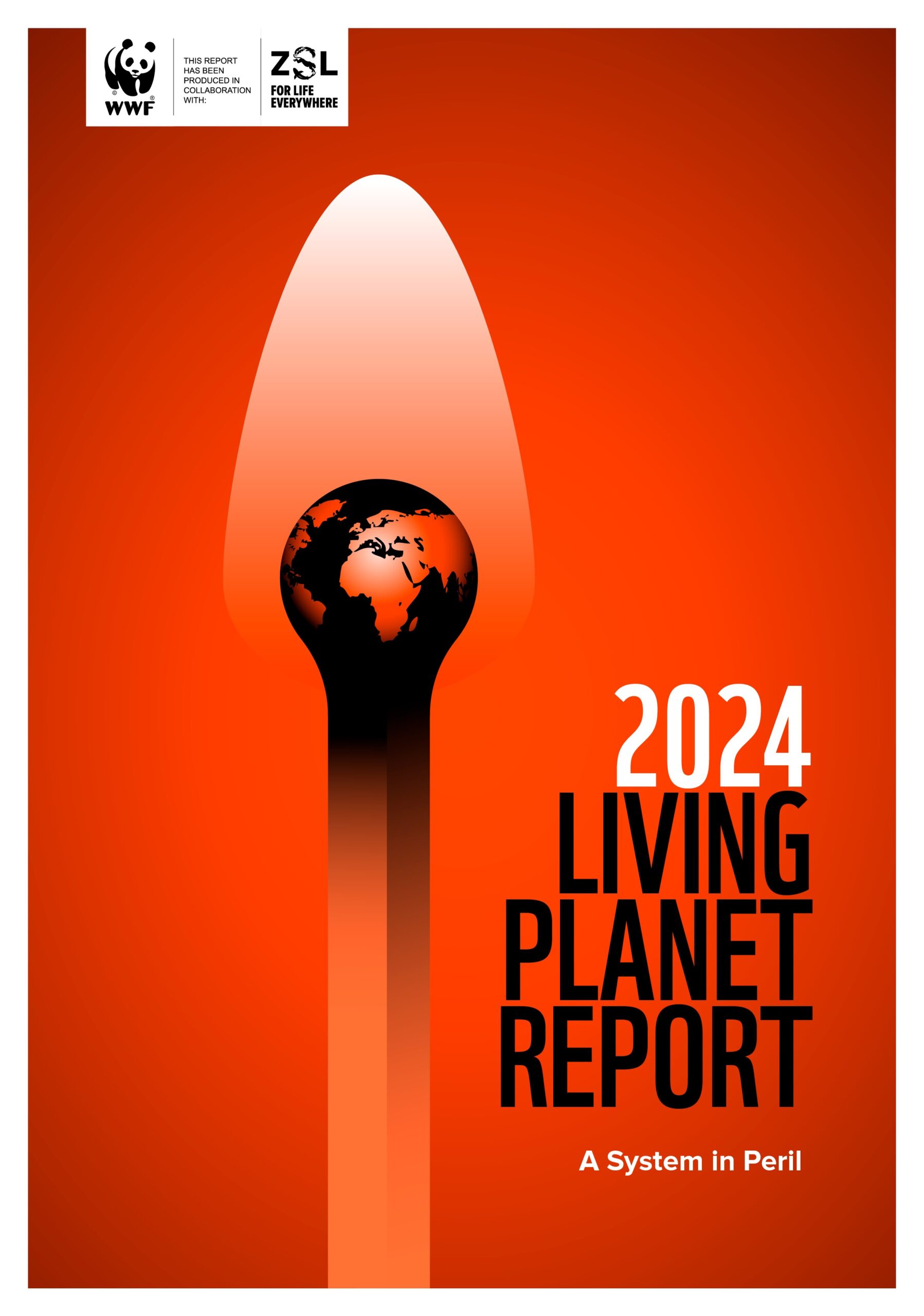
    Ready for more bad, but interesting news ? After the call for action from the UN, and the alarming Circularity Gap report, the WWF publish its updated bi-annual report: Living Planet.

    The 2024 WWF Living Planet Report reveals a dramatic 73% decline in wildlife populations over the last 50 years, emphasizing the idea of accumulated environmental stress, where each stressor—deforestation, climate change, and overexploitation—adds pressure to ecosystems. The concept of “tipping points” aligns closely with how these stressors lead to irreversible environmental collapse. Much like human burnout, the planet has been absorbing the impact of human activity for decades, but now several ecosystems are nearing their limits. And the systems shows cracks, we have had the hottest year to date and the most powerful storm ever is moving towards the United States….

    The Accumulation of Environmental Stress

    Over the past few decades, the Earth’s natural systems have faced increasing levels of stress from human activities. Habitat destruction, unsustainable resource use, pollution, and climate change have been building up, each contributing to a broader systemic strain. The consequences of these combined stressors are now visible in the rapid loss of biodiversity and the degradation of critical ecosystems. The WWF report highlights several key regions, such as Latin America, where wildlife populations have decreased by up to 94%, a clear signal of environmental systems struggling to cope.

    Key Tipping Points in the Natural World

    These accumulated stressors have pushed ecosystems to what scientists call tipping points—moments when the system can no longer absorb the pressure and begins to collapse, often irreversibly. The WWF report outlines several crucial tipping points, where the continuation of current trends will lead to significant, and potentially irreversible, changes:

    1. Amazon Rainforest Deforestation: Known as the “lungs of the Earth,” the Amazon is a critical carbon sink. However, ongoing deforestation for agriculture and resource extraction is driving the rainforest towards a tipping point. If deforestation continues, the Amazon could transform into a dry savannah, drastically reducing its capacity to store carbon and increasing global carbon emissions.
    2. Polar Ice Melt: The rapid melting of the polar ice caps is contributing to rising sea levels, disrupting marine ecosystems, and accelerating global warming by reducing the Earth’s reflective surface (albedo effect). Once this ice reaches a certain threshold, the loss will be self-perpetuating, driving further climate change.
    3. Coral Reef Bleaching: Coral reefs, which support vast marine biodiversity, are particularly sensitive to ocean temperature increases. The continued warming of the oceans has led to widespread coral bleaching, where reefs lose the algae that sustain them, causing mass die-offs. Once lost, coral reefs take decades to recover, if they recover at all.
    4. Freshwater Depletion: Freshwater ecosystems are under severe pressure from overuse and pollution. Many rivers, lakes, and wetlands are drying up or becoming heavily polluted. Once freshwater ecosystems collapse, they impact not only biodiversity but also human water security and agriculture.
    5. Permafrost Thawing: As global temperatures rise, permafrost in the Arctic is beginning to thaw, releasing vast amounts of stored carbon and methane. This contributes to further warming in a feedback loop that accelerates climate change.

    The Urgency of Addressing Accumulated Stress

    Each of these tipping points represents a system that has absorbed environmental stress for decades, but that is now showing signs of collapse. Much like a person who ignores the symptoms of burnout until it becomes unmanageable, these ecosystems have absorbed damage until they are on the brink of irreversible change. The idea of planetary boundaries helps frame this urgency. Planetary boundaries define the safe operating space for humanity, and crossing these thresholds leads to system collapse. The WWF report warns that we have already crossed several boundaries, particularly those related to biodiversity and climate change.

    Addressing the Crisis: Reducing Environmental Stressors

    To prevent further tipping points from being crossed, we need to significantly reduce the stress we place on natural systems. The WWF report stresses the need for immediate action to address the key drivers of biodiversity loss and environmental degradation. These actions include:

    1. Habitat Protection and Restoration: Ensuring that natural habitats are protected from further destruction is essential to preventing biodiversity loss. Reforestation and habitat restoration projects can also help ecosystems recover and increase resilience to future threats.
    2. Climate Action: Mitigating climate change by reducing greenhouse gas emissions, transitioning to renewable energy, and implementing adaptation strategies are crucial steps in reducing the pressure on ecosystems, particularly those most vulnerable to climate change.
    3. Sustainable Resource Use: Shifting towards sustainable consumption and production patterns can reduce the overexploitation of natural resources. This includes implementing circular economy principles that minimize waste and promote the reuse of materials.
    4. Global Cooperation: Solving the biodiversity crisis requires a coordinated global effort. Governments, businesses, and communities must work together to protect ecosystems, promote sustainable practices, and implement effective environmental policies.

    Hope for Recovery

    The environmental tipping points highlighted by the WWF report represent a dire warning, but they also provide an opportunity for action. Nature has a remarkable ability to regenerate when given the chance, and proactive conservation efforts can still reverse some of the damage. Projects like rewilding and the creation of protected areas have shown that ecosystems can recover, and wildlife populations can rebound if stressors are reduced.

    However, time is of the essence. Every delay in addressing these tipping points increases the risk of irreversible environmental collapse. Much like a person in burnout requires rest and recovery, our planet needs immediate relief from the pressures that have built up over decades of unsustainable practices.

    WWF report 2024 - an ad from wwf

    Let’s act before it’s too late

    The Earth is reaching a tipping point. The accumulated stress from deforestation, climate change, and overexploitation is pushing ecosystems beyond their limits, threatening biodiversity and the services that sustain human life. The WWF’s 2024 report is a stark reminder that we are at a critical juncture. If we do not take immediate action to reduce environmental stressors, we risk crossing irreversible tipping points, leading to catastrophic consequences for both nature and humanity.

    By addressing the root causes of biodiversity loss, implementing sustainable practices, and restoring damaged ecosystems, we can still prevent further tipping points from being crossed and give the planet—and ourselves—a chance to recover.

  • State of the Circular Economy 2024: Addressing the Global Circularity Gap and the need for urgent action

    State of the Circular Economy 2024: Addressing the Global Circularity Gap and the need for urgent action

    The 2024 Circular Economy Gap Report, published by the Circle economy and Deloitte paints a sobering picture of the current state of global circularity and the pressing need for more robust, immediate action to transition towards a circular economy.

    With the environmental consequences of the traditional “take-make-waste” linear economic model becoming increasingly apparent, there is a growing consensus that a shift to a circular economy is essential for the sustainability of our planet.

    The Decline in Global Circularity

    One of the most striking findings of the report is the decline in global circularity. In 2018, 9.1% of the materials consumed worldwide were cycled back into the economy. However, by 2023, this figure had fallen to just 7.2%. This decline is particularly concerning given the simultaneous increase in global material consumption. In the last six years alone, the world has consumed over half a trillion tonnes of materials—a volume nearly equivalent to the total material consumption of the entire 20th century.

    This surge in material use is driving the overshoot of planetary boundaries, the safe operating limits for humanity’s use of the Earth’s resources. The report reveals that six of the nine key planetary boundaries have now been breached, largely due to the impacts of the linear economy. This overshoot is putting immense pressure on the Earth’s ecosystems and threatening the long-term sustainability of human civilization.

    Inequality in Resource Consumption

    Another critical issue highlighted by the report is the stark inequality in global resource consumption. High-income countries, representing a small fraction of the global population, consume a disproportionately large share of global resources. This inequality exacerbates global environmental challenges and hinders efforts to achieve a more sustainable and equitable world.

    The report categorizes countries into three profiles—Build, Grow, and Shift—each representing different stages of economic development and resource consumption. “Build” countries are typically lower-income nations that are still developing their infrastructure and economies. “Grow” countries are middle-income nations experiencing rapid industrialization and urbanization. “Shift” countries are high-income nations with well-established economies that need to transition away from resource-intensive growth models.

    The Path Forward: Circular Economy Solutions

    Despite the challenges, the report offers a roadmap for reversing the decline in global circularity and achieving a more sustainable future. It identifies 16 key circular economy solutions that, if implemented, could reduce global material extraction by one-third and reverse the overshoot of planetary boundaries.

    Among these solutions are strategies such as improving product design to extend the lifespan of goods, increasing the recycling and reuse of materials, and shifting from ownership to service-based business models. These strategies not only reduce the environmental impact of production and consumption but also create new economic opportunities and jobs in the circular economy.

    The report also emphasizes the importance of country-specific approaches to implementing circular economy solutions. For “Build” countries, the focus should be on developing sustainable infrastructure and industries from the outset. “Grow” countries should prioritize scaling up circular practices in rapidly expanding sectors such as construction and manufacturing. “Shift” countries, meanwhile, should lead the way in reducing resource consumption and promoting circular business models.

    The Role of Policy and Economic Adjustments

    Achieving a global circular economy will require more than just changes in business practices. The report stresses the need for significant policy and economic adjustments to create a level playing field for circular businesses. This includes revising fiscal policies to encourage sustainable practices, such as taxing resource extraction and waste generation while providing incentives for recycling and resource efficiency.

    Additionally, governments must invest in building circular expertise and capacity across industries. This includes supporting research and development in circular technologies, providing education and training for workers in the circular economy, and facilitating collaboration between businesses, governments, and civil society organizations.

    Human Wellbeing and the Circular Economy

    While the environmental benefits of a circular economy are clear, the report also highlights the potential social benefits. A successful transition to a circular economy must be people-centric, focusing on creating decent jobs and improving livelihoods globally. The circular economy can offer opportunities for new and innovative business models that prioritize social inclusion and equity, ensuring that the benefits of a more sustainable economy are shared broadly across society.

    Key Facts and Surprising Insights

    1. Declining Circularity: Global circularity has dropped from 9.1% in 2018 to 7.2% in 2023, despite increasing global awareness of sustainability issues.
    2. Massive Material Consumption: The world consumed over half a trillion tonnes of materials in the last six years, almost matching the total material consumption of the entire 20th century. This surge highlights the urgent need for more sustainable resource management practices.
    3. Planetary Boundaries Breached: Six out of nine planetary boundaries have been breached due to the impacts of the linear economy, signaling that humanity is pushing Earth’s ecosystems to their limits. These boundaries include climate change, biodiversity loss, and land-system change.
    4. Global Inequality in Resource Use: High-income countries consume far more than their fair share of global resources, exacerbating environmental degradation and global inequalities. This uneven consumption contributes significantly to the pressures on planetary boundaries.
    5. Circular Economy Solutions: The report identifies 16 key circular economy solutions that could reduce material extraction by one-third and help reverse the overshoot of planetary boundaries. These solutions include improving product design, increasing recycling, and promoting service-based business models.
    6. Country-Specific Strategies: The report categorizes countries into “Build,” “Grow,” and “Shift” profiles, recommending tailored circular economy strategies for each. For example, “Build” countries should focus on developing sustainable infrastructure, while “Shift” countries should lead the way in reducing resource consumption.
    7. Policy and Economic Reforms Needed: To support the transition to a circular economy, significant policy and economic adjustments are required. This includes revising fiscal policies to incentivize sustainable practices and investing in circular expertise across industries.
    8. Human Wellbeing: The circular economy has the potential to create decent jobs and improve livelihoods globally. A successful transition must prioritize social inclusion and equity, ensuring that the benefits of a sustainable economy are shared widely.
    9. Economic Opportunity: The shift to a circular economy is not only about environmental sustainability but also presents a significant economic opportunity. By adopting circular practices, businesses can tap into new markets, reduce costs, and improve their resilience.
    10. Urgency for Collaboration: The report underscores the need for radical collaboration between governments, industries, and civil society to close the circularity gap and achieve global sustainability goals. Without collective action, the world risks further environmental degradation and social inequity.

    Conclusion

    The 2024 Circular Economy Gap Report provides a clear and urgent message: the world is not on track to achieve the level of circularity needed to sustain our planet’s ecosystems. The decline in global circularity, coupled with the overshoot of planetary boundaries and growing material consumption, highlights the critical need for immediate and robust action.

    However, the report also offers hope by identifying concrete solutions and strategies that can help reverse these trends. By adopting circular economy practices, revising policies, and investing in human capital, it is possible to create a more sustainable and equitable world. The transition to a circular economy is not just an environmental necessity—it is an economic and social opportunity that can improve the quality of life for people around the world.

    As we move forward, it is essential for all stakeholders—governments, businesses, and individuals—to work together in this effort. The path to a circular economy is challenging, but with the right strategies and collective will, it is achievable. The time to act is now, and the benefits of doing so are too significant to ignore.

  • ESPR: Understanding the latest EU regulation to promote the circular economy

    ESPR: Understanding the latest EU regulation to promote the circular economy

    Understanding the New European “ESPR” Regulation on Ecodesign

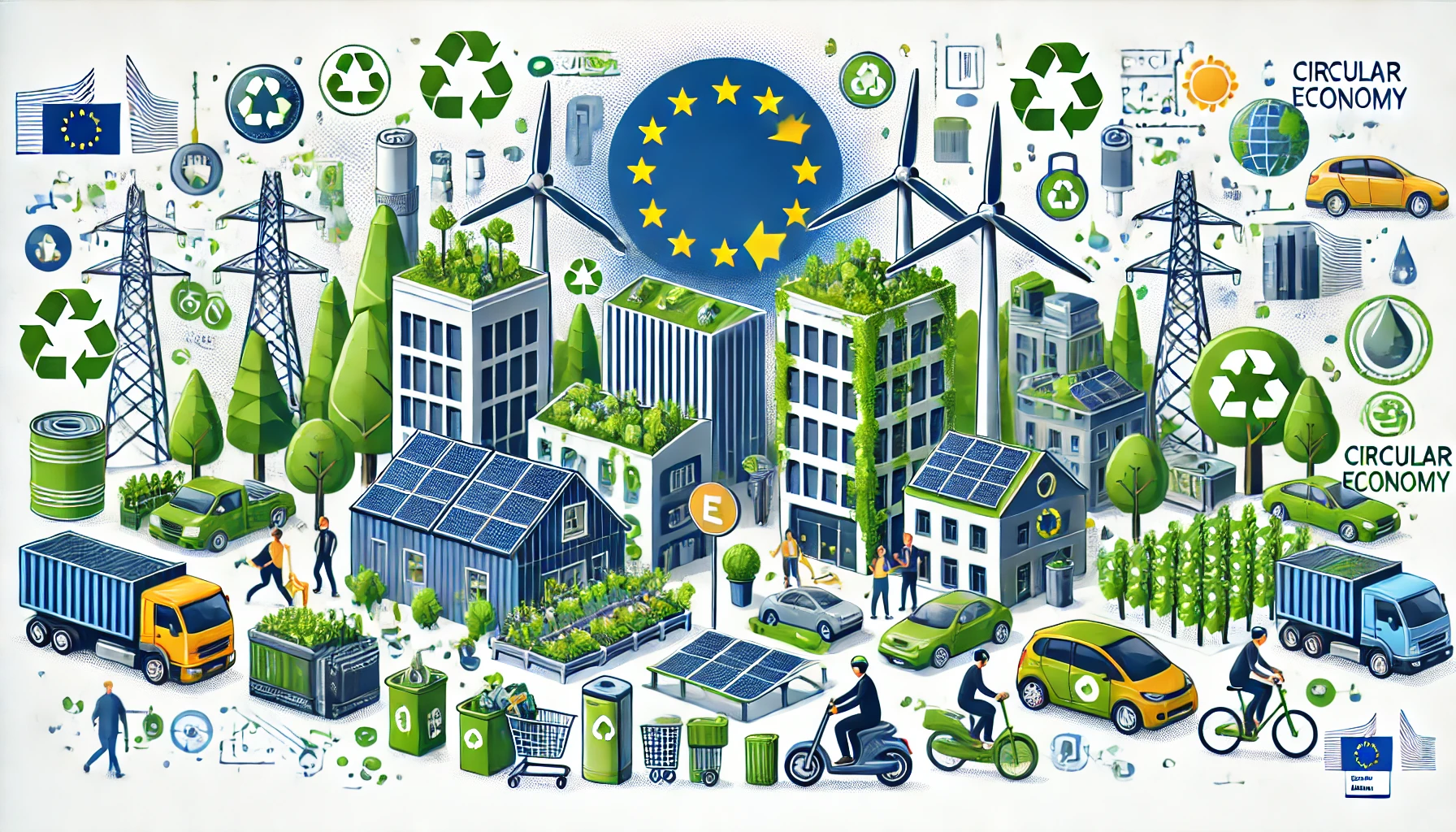
    The European Union (EU) has taken significant steps to promote sustainability and reduce environmental impact through regulatory frameworks. One of the latest initiatives is the Ecodesign for Sustainable Products Regulation (ESPR). This regulation aims to improve the sustainability, durability, and circularity of products sold within the EU, ensuring that they are designed with their entire lifecycle in mind. The regulation introduces a few majors changes : the possibility to set new ecodesign requirements as standards for products to be sold in EU, the creation of a Digital Product Passport, and introduce a ban on the destruction of unsold consumer products. It also steer the €1,8 trillions Public spending towards more sustainability.

    This article provides a comprehensive overview of the ESPR, its objectives, key requirements, and implementation timeline.

    Find the PDF summary here.
    Access the EU page related to CSRD here.

    What is the new ESPR?

    The ESPR is the newest piece of EU regulation to promote products that are more durable and circular. This regulation is aligned with the Circular Economy Action Plan (CEAP) and the European Green deal. It entered into effect on july 18th 2024 and creates a framework for European lawmakers to set new standards for ecodesign, circularity and environmental performance of manufactured goods in the European market.

    The regulation sets a highly positive precedent, by aiming to make all products sustainable by default and giving the European Commission the right to implement stricter sustainability requirements across various product categories. The most polluting products are given priority, i.e. intermediate products such as iron, steel and aluminium, lubricants, and chemicals; and products, such as textiles, detergents, electronics, among others.  

    The EU defines sustainable products as displaying at least one of these characteristics :

    • Uses less energy
    • Lasts longer
    • Can be easily repaired
    • Parts can be easily disassembled and put to further use
    • Contains fewer substances of concern
    • Can be easily recycled
    • Contains more recycled content
    • Has a lower carbon and environmental footprint over its lifecycle

    The key new feature: Ecodesign requirements

    The ESPR main feature is that is enables setting new ecodesign standards for virtually any goods sold in Europe (with some exceptions such as Food and Feed). These standards are known as “ecodesign requirements” so that businesses:

    • Improve product durability, reusability, upgradability and reparability
    • Make products more energy and resource-efficient
    • Address the presence of substances that inhibit circularity
    • Increase recycled content
    • Make products easier to remanufacture and recycle
    • Set rules on carbon and environmental footprints
    • Improve the availability of information on product sustainability

    For each category of products, baseline standards will be set and products will have to comply to be allowed to enter the European market. Here is a simplistic version of what these ecodesign requirements may look like:

    EU objectivesKPI exampleDescriptionEarly target exampleAspiration
    Improve product durability, reusability, upgradability and reparabilityRepairability indexReparability index is based on 5 criteria :
    – Availability of technical documentation
    – Ease of dismantling the appliance and required tools
    – Information on spare parts availability and duration
    – Price of spare parts compared to the new product
    – Category-specific criterion for each product
    60% repair rates for electronic products within 5 years (France example)100% of products are easily repairable
    Number of usageSet a duration or number of times a product needs to be functional at minimaNo single use productsProducts are guaranteed for life.
    Make products more energy and resource-efficient
    Energy intensityQuantity of energy used to produce 1 €/$ of product.Energy efficiency applicationEnergy neutrality
    Material efficiency RateTracks the amount of material waste per unit produced.Reduce material waste by 20% during productionEliminate all waste during production
    Address the presence of substances that inhibit circularity
    Use rate of non-recyclable materialsIdentifies the part of the product that is made out of low recyclable materialsLess than 50% of the product should be made out of low recyclable materials100% of the material used are highly recyclable.
    Use rate of envionmental harmful productsIdentifies the harmful substances used during productionAny harmful substance used is carefully collected and treatedThe products don’t use any harmful substances.
    Increase recycled contentUse rate of recycled content Identifies the part of recycled material in the productA minimum of 10% of the material must be from recycled sources
    Part of own product recycledCaptures the part of products that end up recycled at their end of life10% of products should be recycled
    Make products easier to remanufacture and recycleDissassembly timeMeasure the time required to disassemble a productDissassembly time must be reduced by 10%Dissassembly time optimized for repairing and remanufacturing.
    Recyclability RateIdentifies the part of product that are recyclable50% of products are fully recyclableAll products are fully recyclable
    Set rules on carbon and environmental footprintsCarbon footprintMeasures the carbon footprint of the organisation10% reductionNet-zero
    Improve the availability of information on product sustainabilityDigital product passport availableMakes the digital product passport available 100% of products

    As of July 2024, these standards are not yet set and a first version is expected through mid-2025 after the ecodesign Foru. The first draft of these ecodesign requirements is expected to focus on the following industries :

    • Iron & steel,
    • aluminium,
    • textiles (garments and footwear),
    • furniture (including mattresses),
    • tyres,
    • detergents, paints, lubricants, chemicals,
    • energy-related products (including new measures and revisions of existing ones),
    • ICT products, as well as other electronics.

    The digital product passport

    The ESPR also introduces a Digital Product Passport (DPP), a digital identity card for products, components, and materials. This new digital ID will store relevant information to support products’ sustainability, promote their circularity and strengthen legal compliance:

    • Product’s technical performance
    • Materials and their origins
    • Repair activities
    • Recycling capabilities
    • Lifecycle environmental impacts

    The information will be made available electronically by the manufacturers.

    Ban on the destruction of unsold consumer goods

    The ESPR sets the ambitious goal to eliminate consumer waste, starting with unsold products. The approach relies on two distinct axis, like a good cop/bad cop.

    1. Raising awareness : There is little visibility on what’s actually destroyed so as a first step, the EU will require large and eventually medium-sized companies across all product sectors to disclose annual information on their website, such as the number and weight of products they discard, as well as their reasons for doing so. This should bring awareness on the topic and let consumers make better choice.
      • the number and weight of unsold consumer products discarded per year, differentiated per type or category of products;
      • the reasons for discarding products, and where applicable, the relevant derogation under Article 25(5);
      • the proportion of discarded products delivered, whether directly or through a third party, to undergo each of the following activities: preparing for reuse, including refurbishment and remanufacturing, recycling, other recovery including energy recovery, and disposal operations in accordance with the waste hierarchy as defined by Article 4 of Directive 2008/98/EC;
      • measures taken and measures planned for the purpose of preventing the destruction of unsold consumer products.
    2. Ban on the destruction of unsold Consumer Goods in EU. Starting with the textile industry as they are a key contributors to waste, the EU is purely prohibiting the destruction of unsold goods. The Commission estimates that “4 to 9% of all EU textile products is destroyed before use, amounting to between 264,000 and 594,000 tonnes of textiles destroyed each year”.

      The concept of destruction as outlined in this Regulation should cover the last three activities on the waste hierarchy, namely recycling, other recovery and disposal; this makes the goal even harder to reach. Preparation for reuse, including refurbishment and remanufacturing, should not be considered destruction.

      The ban on the destruction of unsold textile should enter effect in :
      • 2 years for large companies
      • Medium sized companies will benefit from a 6 year exemption
      • While Small and Micro companies remain exempt.
      • And more industries should follow suit, including IT!

    Green public procurement

    Finally, the ESPR will also help steer some of the €1.8 trillion EU public spending to more circular and sustainable products and services.

    The ESPR makes the evaluation of sustainability criteria mandatory in tenders so that EU public spending aligns more toward its Green Deal objectives. This should therefore attract investment in the sustainability industry as the opportunity becomes bigger.

    Conclusion

    The Ecodesign for Sustainable Products Regulation (ESPR) represents a significant step forward in the EU’s efforts to promote sustainability and circularity. By setting strict requirements for product design, manufacturing, and end-of-life management, the ESPR aims to reduce environmental impact, conserve resources, and support a circular economy.
    While the regulation presents challenges, notably by adding more regulation and possibly slowing down businesses, it also offers numerous opportunities for innovation, market differentiation, and long-term savings. The successful implementation of the ESPR will require the collaboration of manufacturers, consumers, governments, and recycling industries, working together to create a more sustainable and circular future.

  • 2023 UN SDG Report Analysis: Key Achievements and Challenges in Global Sustainability

    2023 UN SDG Report Analysis: Key Achievements and Challenges in Global Sustainability

    “Unless we act now, the 2030 agenda will become an epitaph for a world that might have been,”

    Said the Secretary-General of the United Nations Antonio Guterres

    This was the comment highlighted in the 2023 UN Sustainability Development Goals (SDG) report. This report from July painted a dark image of our capacity to reach the goals that were set for 2030, with Climate disasters on the rise, even hunger progressing after years of decline.

    So what did the report say ? Let’s look at the top 3 positive and more worrisome messages along with other key messages.

    Top 3 Wins:

    • Renewable Energy Advances 🌞: A shining example of progress is the substantial growth in renewable energy. Investments and innovations in solar, wind, and other renewable sources are reshaping our energy landscape, promising a cleaner, more sustainable future.
      Global renewable energy capacity has increased dramatically, with the International Renewable Energy Agency (IRENA) reporting a record addition of 260 gigawatts (GW) in 2020 alone, which is a nearly 50% increase over the capacity added in 2019.
    • Digitalization Leap 💻: The acceleration in digital technology has been a game-changer, especially in enhancing access to information, education, and services. This digital leap is bridging gaps and opening new avenues for development and equity.
      According to the International Telecommunication Union (ITU), internet usage worldwide has grown from 17% of the global population in 2005 to over 60% in 2021, showcasing the massive leap in digital connectivity.
    • Education Access 📚: Notable strides in education have been made, with increased access to quality education worldwide. This progress is crucial in equipping future generations with the skills and knowledge to sustain and advance our global community.
      UNESCO reports that the global primary school net enrollment rate rose from 83% in 2000 to over 91% in 2020, demonstrating significant progress towards universal primary education.

    Top 3 Misses:

    • Escalating Climate Crisis 🌍: Despite progress in renewable energy, the report soberly notes that we are lagging in combating climate change. Rising temperatures, extreme weather events, and biodiversity loss remain alarming challenges needing immediate action.
      The World Meteorological Organization (WMO) stated that the last seven years, up to 2020, have been the warmest on record, indicating a continuing trend of global warming.
    • Widening Inequalities 📉: Inequality continues to be a significant global issue, exacerbated by the pandemic. Economic disparities within and between countries are growing, threatening social cohesion and sustainable development.
      The World Bank highlighted that the COVID-19 pandemic has pushed an additional estimated 88 million to 115 million people into extreme poverty in 2020, reversing a two-decade trend of poverty reduction.
    • Reversal in Hunger Reduction 🍽️: Alarmingly, after years of decline, hunger and food insecurity have been on the rise. This reversal is a stark reminder of the fragility of our progress and the need for sustained efforts in food security.
      The United Nations reported that the number of undernourished people grew by as many as 161 million in 2020, reaching an estimated total of 811 million worldwide, significantly set back by the impacts of the COVID-19 pandemic.

    Other Important Messages:

    • Health Systems Under Pressure 🏥: The global health crises have stressed the importance of robust health systems. Strengthening healthcare infrastructure remains crucial for combating current and future health challenges.
    • Sustainability in Business 🌿: The report emphasizes the vital role of the private sector in achieving the SDGs. Businesses are encouraged to integrate sustainability into their core strategies, aligning profit with planetary and societal well-being.
    • Call to Collective Action 🤝: The overarching message is clear – achieving the SDGs requires a collective effort. It calls for partnerships across governments, businesses, and civil society to unite in this critical mission.

    In conclusion, while the 2023 SDG Report presents a mixed bag of progress and setbacks, its underlying message is unmistakably clear: there’s an urgent need for concerted and accelerated action across all sectors.

    And while we could say that this is “government stuff”, businesses are key in shaping a sustainable, equitable future and should contribute as much and to as many of these goals as it can. It can be as much as an opportunity for growth and efficiency as it remains an imperative for compliance to existing and upcoming regulations.

    As business leaders, the report offers not just insights but actionable pathways to integrate these goals into our strategies, ensuring our businesses are not just successful but also responsible stewards of a sustainable future. 🌟🌏

  • Redefining Packaging: A Sustainable Approach for Today’s Businesses

    Redefining Packaging: A Sustainable Approach for Today’s Businesses

    The Role of Packaging in Modern Business

    Packaging is often a crucial element of a company’s marketing strategy, acting as an emblem of the product itself. Iconic examples like Toblerone’s triangular box or McDonald’s Happy Meal box illustrate how packaging can become a symbol of brand identity. However, beyond its role in branding, packaging also significantly impacts the environment. The criticism Amazon faced for using oversized boxes is a prime example of how wasteful packaging practices can attract negative attention. In response, businesses are increasingly focused on reinventing their packaging to make it not only functional and visually appealing but also sustainable.

    Innovative Approaches to Sustainable Packaging

    And the industry is quite innovative, coming up with many ways to achieve this! During my time at Amazon, I loved the idea of shifting to e-commerce-friendly packaging was inspiring. The idea is simple yet powerful: create packaging that’s ready for shipment, eliminating the need for extra layers and reducing waste. And Amazon was lobbying this idea directly with the largest FMCG companies to make an impact.

    In this article, we explore practical strategies to enhance packaging sustainability, each with its definition, real-life examples, and potential for sustainability.

    Practical Strategies for Enhancing Packaging Sustainability

    1. Using Sustainable Materials

    The choice of materials in packaging plays a critical role in its environmental impact. By opting for sustainable materials, businesses can significantly reduce their ecological footprint. These materials, whether derived from responsibly managed forests, recycled sources, or compostable plant-based options, are designed to minimize environmental harm while maintaining functionality and appeal. Sustainable material selection is the foundation for creating packaging that aligns with modern ecological values.

    • Cardboard from Sustainable Sources
      • Explanation: Sourcing cardboard from sustainably managed forests ensures that the materials used do not contribute to deforestation or environmental degradation. Certifications like FSC (Forest Stewardship Council) guarantee that the cardboard comes from responsibly managed forests.
      • Example: IKEA’s use of FSC-certified cardboard demonstrates a commitment to sustainable forestry practices, contributing to forest conservation and reducing environmental harm.
      • Impact: High sustainability potential due to its role in promoting forest conservation.
    • Recycled Cardboard or Plastic
      • Explanation: Incorporating recycled content in packaging reduces the demand for virgin materials, conserving natural resources and reducing waste. This practice also supports the recycling industry by providing a market for recycled materials.
      • Example: Loop Industries’ transformation of waste plastic into high-quality PET plastic used by major brands showcases how recycling can be integrated into packaging on a large scale.
      • Impact: High sustainability potential due to waste reduction and resource conservation.
    • Compostable Materials
      • Explanation: Compostable packaging is designed to break down safely in composting environments, returning nutrients to the soil. This type of packaging is particularly beneficial for products that are likely to be disposed of quickly.
      • Example: SunChips’ use of compostable bags made from plant-based materials is a pioneering example, though it faced challenges in consumer acceptance due to noise levels.
      • Impact: Moderate to high sustainability potential, as it can significantly reduce landfill waste and enrich soil.

    2. Using Fewer Materials

    Reducing the amount of material used in packaging is a direct way to lessen environmental impact. Minimalist and customized packaging designs focus on using only what is necessary to protect and present the product, thereby cutting down on waste. This approach not only conserves resources but also reduces costs and enhances the efficiency of the entire packaging process, reflecting a commitment to sustainability in every aspect.

    • Minimalist Packaging
      • Explanation: By simplifying packaging designs, companies can use fewer materials, reducing resource consumption and waste. Minimalist packaging often focuses on the essential functions of protection and branding without unnecessary frills.
      • Example: Apple’s packaging is renowned for its minimalist approach, which not only enhances the unboxing experience but also minimizes environmental impact.
      • Impact: High sustainability potential through resource and waste reduction.
    • Customized Packaging
      • Explanation: Tailoring the size and shape of packaging to the specific dimensions of a product reduces the need for excess material and minimizes void space. This approach also improves shipping efficiency.
      • Example: Amazon’s technology for customizing parcel sizes to fit specific products exemplifies how tailored packaging can reduce waste and optimize material usage.
      • Impact: High sustainability potential by minimizing waste and improving efficiency.
    • E-commerce Focused Packaging
      • Explanation: Packaging designed specifically for online retail can be optimized for protection and efficiency, often eliminating the need for additional layers or materials that are necessary for in-store displays.
      • Example: Amazon’s “Frustration-Free Packaging” initiative reduces the use of excess materials and focuses on recyclability, aiming to improve both the customer experience and environmental impact.
      • Impact: Moderate sustainability potential as it balances protection with material efficiency.
    Frustration free packaging

    3. Increasing Packaging Lifecycle

    Extending the lifecycle of packaging is a powerful strategy for sustainability. By designing packaging that is reusable, recyclable, or multi-functional, companies can ensure that their packaging stays out of landfills and serves multiple purposes over time. This approach not only reduces waste but also encourages a circular economy, where packaging materials are continuously reused and repurposed, minimizing the need for new resources.

    • Reusable Packaging
      • Explanation: Designing packaging that can be reused multiple times extends its lifecycle, reducing the need for single-use packaging. This approach is particularly effective in reducing waste in industries where packaging is a significant cost and environmental burden.
      • Example: The Loop platform’s use of durable containers that customers return for refilling represents a significant shift towards a circular economy model.
      • Impact: High sustainability potential due to extended packaging life and waste reduction.
    • Enhanced Recyclability
      • Explanation: Making packaging more recyclable involves minimizing the use of mixed materials, which are often difficult to separate during the recycling process. This increases the likelihood that packaging will be recycled rather than discarded.
      • Example: Nestlé’s commitment to making 100% of its packaging recyclable or reusable by 2025 reflects a growing industry trend towards enhancing recyclability.
      • Impact: High sustainability potential as it facilitates recycling and reduces landfill waste.
    • Multi-functional Packaging
      • Explanation: Packaging that serves additional purposes beyond its primary function can reduce the need for additional products and extend its usability. This approach can also add value to the product, enhancing the customer experience.
      • Example: Puma’s “Clever Little Bag” reduces cardboard use and doubles as a reusable shoe bag, combining practicality with environmental consciousness.
      • Impact: Moderate to high sustainability potential due to added value and extended usability.
    Puma’s “Clever little Bag”

    4. Optimized Processes

    Sustainability in packaging also involves optimizing the processes surrounding its production, distribution, and disposal. By partnering with eco-friendly suppliers, optimizing logistics, and producing packaging locally, businesses can reduce their overall environmental impact. These process improvements not only enhance sustainability but also often lead to cost savings and greater operational efficiency, making them a win-win for both the environment and the bottom line.

    • Sustainable Supplier Practices
      • Explanation: Partnering with suppliers who prioritize sustainability ensures that the entire supply chain supports environmental goals. This can involve sourcing materials from eco-friendly suppliers or collaborating with logistics partners who use green technologies.
      • Example: Many companies are now incorporating sustainability criteria into their supplier selection processes, enhancing the overall sustainability of their operations.
      • Impact: Moderate sustainability potential, as it influences the broader supply chain.
    • Efficient Logistics and Transportation
      • Explanation: Optimizing packaging for transportation efficiency involves reducing the size and weight of packages to lower transportation costs and emissions. This can also involve using innovative materials that reduce packaging volume.
      • Example: Dell’s use of bamboo cushioning not only provides sustainable protection for products but also reduces the volume of packaging, improving shipping efficiency.
      • Impact: High sustainability potential through emission reductions and cost savings.
    • Localized Production
      • Explanation: Manufacturing packaging materials close to where they will be used reduces the carbon footprint associated with transportation. This approach can also support local economies and reduce lead times.
      • Example: Lush Cosmetics’ local sourcing of packaging materials demonstrates how companies can reduce transportation emissions and support local suppliers.
      • Impact: Moderate sustainability potential as it cuts down on transport-related emissions.
    Dell Bamboo cushions

    Conclusion

    By adopting these strategies, businesses can not only reduce their environmental impact but also strengthen their brand identity in an increasingly eco-conscious market. Sustainable packaging is no longer just a trend; it’s a necessity for companies aiming to stay relevant and responsible in today’s world. As sustainability continues to shape consumer preferences and regulatory landscapes, redefining packaging practices becomes essential for long-term business success.

  • UN Sustainable Development Goals: The Sustainability North Star for the world

    UN Sustainable Development Goals: The Sustainability North Star for the world

    The United Nations’ Sustainable Development Goals are primarily goals crafted for countries in 2015, to make the world a better place by 2030. Since then, it has been used as a framework for businesses to design and develop their sustainability strategy to be all-encompassing. Many annual reports use now these SDGs to report on the company’s ESG strategy.

    In this article, we will explore what the UN Sustainable Goals are and why they matter to businesses (even if they are primarily for governments).

    I. Understanding the UN Sustainable Development Goals

    The Genesis and Vision

    The SDGs were born out of the 2012 United Nations Conference on Sustainable Development in Rio de Janeiro. Officially adopted in 2015, they are a set of 17 interconnected objectives designed to address the world’s most pressing challenges by 2030. These goals cover a broad spectrum, from eradicating poverty and hunger to promoting sustainable industrialization and fostering innovation. Their website is updated frequently and contains a lot of information on each areas !

    Country Participation

    Participation in the SDGs by countries is voluntary and collaborative. Nations across the globe are encouraged to adopt these goals as part of their national development agendas and strategies. While the SDGs are not legally binding, they carry significant moral and political weight, as they represent a universal commitment to tackling critical global issues. Countries report their progress voluntarily through platforms like the High-Level Political Forum on Sustainable Development, fostering a spirit of shared responsibility and international cooperation.

    The List of Goals

    The Goals are the following (self explanatory):

    1. No Poverty
    2. Zero Hunger
    3. Good Health and Well-being
    4. Quality Education
    5. Gender Equality
    6. Clean Water and Sanitation
    7. Affordable and Clean Energy
    8. Decent Work and Economic Growth
    9. Industry, Innovation, and Infrastructure
    10. Reduced Inequalities
    11. Sustainable Cities and Communities
    12. Responsible Consumption and Production
    13. Climate Action
    14. Life Below Water
    15. Life on Land
    16. Peace, Justice, and Strong Institutions
    17. Partnerships for the Goals

    The Goal’s Target and Indicators

    Each goal, with its specific targets and indicator, offers a roadmap for each country to contribute meaningfully to global sustainability.

    For the Goal 12 of responsible Consumption and production, there are 11 targets with indicators that will be used to track and monitor changes.

    II. Why the SDGs Matter to Businesses and ESG Strategy Integration

    While the SDGs have primarily been created for countries and public institutions, as a comprehensive roadmap to a better world, it is a great framework when it comes to designing ESG strategies for businesses. Nowadays, the primary topic discussed is carbon, but this framework helps businesses think beyond and incorporate all aspects when deciding to focus their action.

    Inspiring Comprehensive ESG Strategies

    The SDGs provide a comprehensive framework for Environmental, Social, and Governance (ESG) strategies. Aligning with these goals ensures that a company’s ESG approach addresses the most critical global challenges. From reducing the carbon footprint (Goal 13: Climate Action) to ensuring inclusive practices (Goal 5: Gender Equality), these goals guide businesses towards a holistic and impactful sustainability strategy.

    Business Impact and Opportunities

    Beyond the moral “duty” to strive for each of these goals, they are aspirations that will ensure businesses stay compliant with the ever-growing regulations and never get caught in PR crises.
    Gender equality (Goal 5) is already mandated by law in many countries and bad practices are more often condemned.
    If circular economy (Goal 12) is encouraged, why isn’t every business looking at how to make their products more repairable and continuing to make disposable products? Even Apple didn’t win against the EU and had to change iPhone charging cables.

    Aspiring for these goals guarantees businesses a safer ride.

    Conclusion

    So, whether you are looking for a starting point for your sustainability strategy, or want to make it more comprehensive, the UN Sustainable Development Goals provide an excellent framework to ensure your business is at the forefront of sustainability or simply wants to remain relevant.

    Sometimes, it’s just about common sense and applying the principles within its own organization: how can my products not destroy marine life? How can I make sure that gender equality is the norm? How can my products become more repairable and use recycled materials etc…

    But it can also be about fostering community projects, local businesses and connecting with our environment to contribute positively.

    Trying to uphold these objectives also maybe just guarantee better sleep at night for any business leader, their organization is literally doing good.

  • sustainability claims: The EU is protecting its consumers from being misled

    sustainability claims: The EU is protecting its consumers from being misled

    Last month, the EU voted to new rules aiming to make product labelling clearer and more trustworthy by banning the use of environmental claims such as “environmentally friendly”, “natural”, “biodegradable”, “climate neutral” or “eco” without proof.

    As part of the objective to empowering consumers for the green transition, the EU wants to offer better protection against unfair practices and better information” by making it clearer for consumers what is really sustainable vs. what is greenwashing.

    What It Does:

    • Objective: Enhances consumer rights and prohibit greenwashing claims by amending two directives (Unfair Commercial Practices Directive 2005/29/EC and Consumer Rights Directive 2011/83/EU).
    • Focus: Addresses unfair commercial practices, especially greenwashing, early obsolescence, and misleading sustainability labels.
    • Key Measures:
      • Information on the durability and reparability of products.
      • Clear and accurate environmental claims.
      • Prohibition of misleading sustainability labels and practices related to early obsolescence of goods.

    Steps for Supporting a Green Claim:

    The document outlines the process and document to provide to the government institutions before a green claim can be made! The final information are still due to be released, including who to contact, delays for approval etc…

    1. Durability Guarantee: Traders must provide information on the existence or absence of a producer’s commercial guarantee of durability for goods.
    2. Software Updates: Information on the availability of free software updates for goods with digital elements must be provided.
    3. Reparability Information: Traders must provide a reparability score or other relevant repair information for goods.
    4. Environmental and Social Impacts: Traders must ensure accuracy in claims regarding the environmental and social impacts of products.
    5. Future Environmental Performance: Environmental claims related to future performance must involve clear commitments with an independent monitoring system.
    6. Comparison Accuracy: For sustainability information tools that compare products, traders must provide information about the comparison method, products, suppliers, and update measures.

    Consequences of Fraudulent Claims:

    1. Prohibitions: Several practices are banned, including the use of non-certified sustainability labels, making unfounded environmental claims, and practices related to early obsolescence.
    2. Enforcement Mechanisms: The proposal relies on enforcement mechanisms in existing EU consumer law, recently strengthened by the Better Enforcement and Modernisation Directive and the Representative Actions Directive.
    3. Sanctions for Non-Compliance: Companies breaking the rules may be excluded from public procurements, lose their revenues and face a fine of at least at 4% of their annual turnover.

    So in theory, any products that will claim to be eco-friendly will have to undergo this new process and businesses who don’t may have to remove the products from sales and/or be prosecuted. There will however be exemption for small businesses in order to not add more burden to them.

    With this new move, and the recent agreement on a framework regarding carbon offset, the EU is really moving toward less greenwashing and more true action.

  • Sustainable Procurement: The Untapped Opportunities of the Circular Economy

    Sustainable Procurement: The Untapped Opportunities of the Circular Economy

    In a world that is increasingly aware of its environmental footprint, the concept of the circular economy has emerged as a beacon of sustainable practice. This transformative approach shifts the traditional linear economy’s ‘take-make-dispose’ model to a more sustainable ‘reduce-reuse-recycle’ cycle. For businesses, particularly in procurement and supply chain management, understanding and integrating the principles of the circular economy is not just an environmental imperative but a strategic opportunity. This article gives a quick overview of what the circular economy is and lists some practical steps for procurement professionals and business leaders.

    I. What is the Circular Economy?

    The Linear Economy:

    Currently, our world predominantly operates on a linear economy model. This approach follows a straightforward ‘take-make-dispose’ pattern.

    Resources are extracted, transformed into products, and eventually discarded as waste after their useful life. This model has significant downsides: it leads to resource depletion, environmental degradation, and creates a vast amount of waste that often ends up in landfills or the oceans.

    Transitioning to the Circular Economy:

    In contrast, the circular economy is based on the principles of the 3Rs: Reduce, Reuse, Recycle; and the triple bottom line. This model aims to keep products, equipment, and infrastructure in use for longer, thus improving the productivity of these resources.

    • Reduce: Minimizing waste and resource use. For businesses, this means considering the environmental impact at every stage of product development, from design to distribution.
    • Reuse: Extending the lifecycle of products through maintenance and repair. Encouraging the use of pre-owned or refurbished items falls under this category.
    • Recycle: Transforming waste materials into new products, thus preventing the loss of valuable materials and reducing the need for virgin resource extraction.

    Adopting these principles can contribute to a company’s bottom line by decreasing costs associated with raw material procurement and waste management while also enhancing brand reputation and customer loyalty in an increasingly environmentally conscious market.

    With these principles in mind, you can imagine a world where companies no longer sell a product but “product-as-a-service” where you pay for using a product that will be continuously repaired, recycled and upgraded by the company, operating in a “closed loop” with its material.

    II. How to get started, with procurement ?

    Start small with identifying suppliers that use circular models

    Entering the world of circularity doesn’t have to be such a radical change where the whole company changes its products and sales strategy, it can start through procurement.

    Start small by piggybacking on existing vendors, products and services by asking yourself: What are the purchases that your business does and that could be recycled ? Repaired ? Re-used ?

    1. Electronics: For IT equipment, a company could procure certified refurbished laptops from a reputable vendor. These laptops, having undergone thorough testing and restoration to original specifications, offer a sustainable and cost-effective alternative to buying new.
      Fully repairable and recyclable laptops integrating circular economy like Framework are starting to appear.
    2. Packaging Materials: A business can switch to packaging materials made from recycled cardboard or biodegradable plastics for its shipping needs. This move not only supports recycling industries but also reduces the company’s carbon footprint.
      Or simpler,  find suppliers that use recycled or biodegradable packaging materials for shipping products to you: how many tons of plastics does your business receive and send every year? How can you reduce that number?
      Or even simpler, make sure your office cleaning supplies and soap dispenser are bought with refillable bottles, or don’t use throw-away cups for coffees.
    3. Uniforms and Workwear: If your company uses uniforms, they can choose to source uniforms made from recycled polyester, which is often created from recycled plastic bottles or other more sustainable materials. This approach not only reuses plastic waste but also offers durable and sustainable workwear.
      Or even simpler, when considering your next employee SWAG, maybe consider a circular manufacturer for this corporate sweater!
    4. Office Furniture: There are many options to integrate circularity in Office Furniture, whether that is by buying office furniture made from recycled materials, to buying repairable furniture. Companies like Interface (from Cradle to Cradle book !) are well-known for their modular carpet tiles and their commitment to sustainability and circular economy principles. At least, make sure there is a plan for disposing of the office furniture you are buying from now on (it may as well be financially sound!)
    5. Office Supplies: Choosing office supplies made from recycled materials (e.g., recycled paper, pens made from recycled plastic) to promote the use of recycled content and reduce the demand for new raw materials could be a good start. Most businesses already track printing usage with badges, also preventing some abuses.
      Most distributors these days offer some green labels, check them out as they can also save some bucks along the way.
      Or even simpler, educate your business and promote paper-free practices.

    By implementing these specific examples in procurement strategies, businesses can make significant strides towards sustainability, reflecting a commitment to the circular economy model.

    These are small and easy steps, yet potentially impacting your business footprint significantly.

    Introduce circular models from within !

    Now, if you already explored this, then start looking beyond and try to see how you can implement circularity from within your business and operations. What is it that your company keeps on buying and disposing ? is there a better way around it? What generates the most waste in the organization? These could be good questions to ask yourself and business leaders to identify opportunities.

    This could be :

    • Things you are buying every year (vast question, and it should include the business, most notable the shipping supplies which are a great untapped opportunity
    • Things you dispose when a site/branch closes or is move
    • Things that are not standardised (they are usually few valid reasons for non standard, if you dig deep enough)

    Implementing circularity where out of the box solution don’t exist can be hard as it requires buy-in from your internal stakeholders to this vision, and finding suppliers ready to make their offering evolve to match your vision. But often the return on investment can be substantial, as after all, the best savings is the purchase you don’t make!