The 2024 Circular Economy Gap Report, published by the Circle economy and Deloitte paints a sobering picture of the current state of global circularity and the pressing need for more robust, immediate action to transition towards a circular economy.
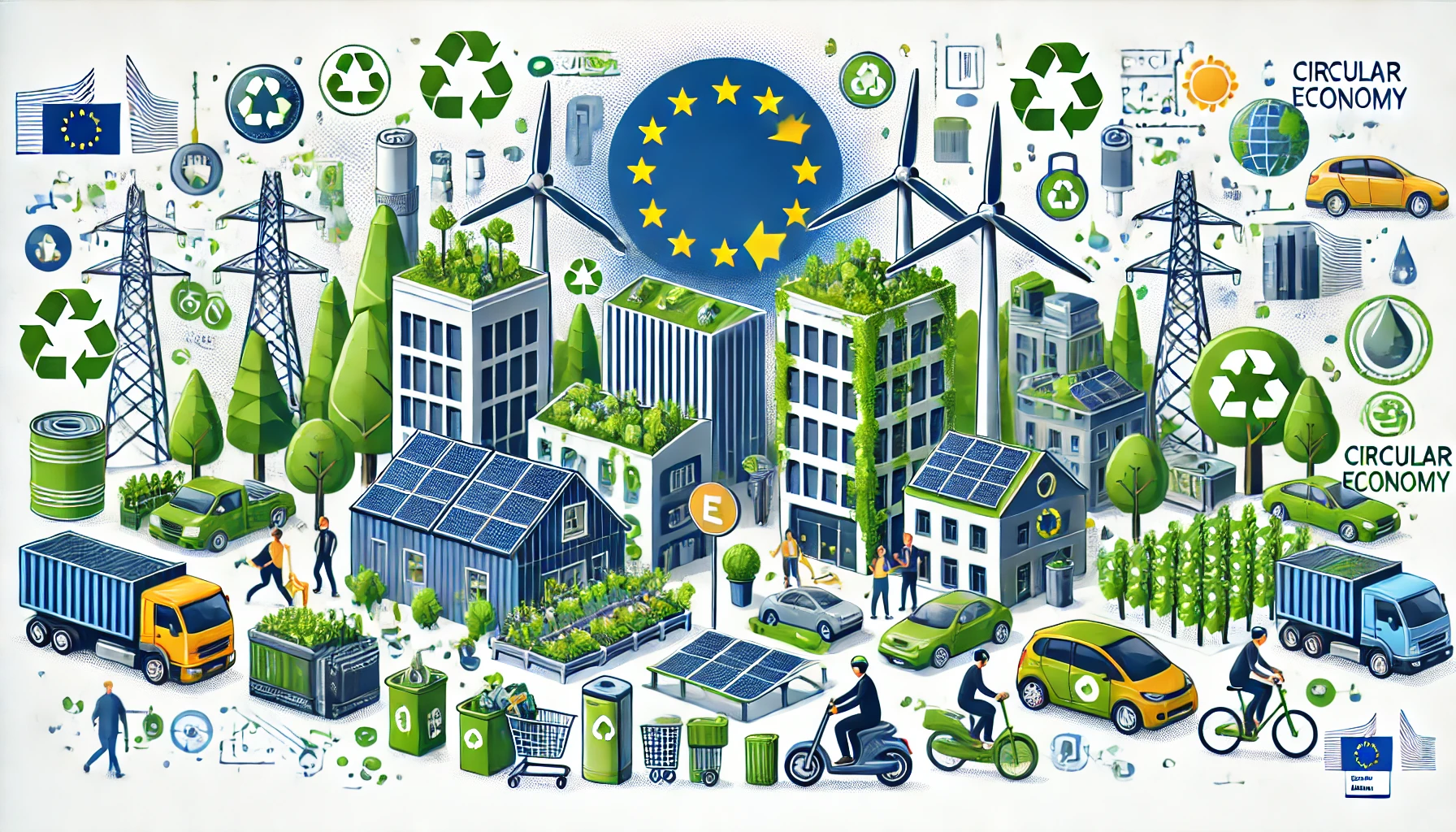
With the environmental consequences of the traditional “take-make-waste” linear economic model becoming increasingly apparent, there is a growing consensus that a shift to a circular economy is essential for the sustainability of our planet.
The Decline in Global Circularity
One of the most striking findings of the report is the decline in global circularity. In 2018, 9.1% of the materials consumed worldwide were cycled back into the economy. However, by 2023, this figure had fallen to just 7.2%. This decline is particularly concerning given the simultaneous increase in global material consumption. In the last six years alone, the world has consumed over half a trillion tonnes of materials—a volume nearly equivalent to the total material consumption of the entire 20th century.
This surge in material use is driving the overshoot of planetary boundaries, the safe operating limits for humanity’s use of the Earth’s resources. The report reveals that six of the nine key planetary boundaries have now been breached, largely due to the impacts of the linear economy. This overshoot is putting immense pressure on the Earth’s ecosystems and threatening the long-term sustainability of human civilization.
Inequality in Resource Consumption
Another critical issue highlighted by the report is the stark inequality in global resource consumption. High-income countries, representing a small fraction of the global population, consume a disproportionately large share of global resources. This inequality exacerbates global environmental challenges and hinders efforts to achieve a more sustainable and equitable world.
The report categorizes countries into three profiles—Build, Grow, and Shift—each representing different stages of economic development and resource consumption. “Build” countries are typically lower-income nations that are still developing their infrastructure and economies. “Grow” countries are middle-income nations experiencing rapid industrialization and urbanization. “Shift” countries are high-income nations with well-established economies that need to transition away from resource-intensive growth models.
The Path Forward: Circular Economy Solutions
Despite the challenges, the report offers a roadmap for reversing the decline in global circularity and achieving a more sustainable future. It identifies 16 key circular economy solutions that, if implemented, could reduce global material extraction by one-third and reverse the overshoot of planetary boundaries.
Among these solutions are strategies such as improving product design to extend the lifespan of goods, increasing the recycling and reuse of materials, and shifting from ownership to service-based business models. These strategies not only reduce the environmental impact of production and consumption but also create new economic opportunities and jobs in the circular economy.

The report also emphasizes the importance of country-specific approaches to implementing circular economy solutions. For “Build” countries, the focus should be on developing sustainable infrastructure and industries from the outset. “Grow” countries should prioritize scaling up circular practices in rapidly expanding sectors such as construction and manufacturing. “Shift” countries, meanwhile, should lead the way in reducing resource consumption and promoting circular business models.
The Role of Policy and Economic Adjustments
Achieving a global circular economy will require more than just changes in business practices. The report stresses the need for significant policy and economic adjustments to create a level playing field for circular businesses. This includes revising fiscal policies to encourage sustainable practices, such as taxing resource extraction and waste generation while providing incentives for recycling and resource efficiency.
Additionally, governments must invest in building circular expertise and capacity across industries. This includes supporting research and development in circular technologies, providing education and training for workers in the circular economy, and facilitating collaboration between businesses, governments, and civil society organizations.
Human Wellbeing and the Circular Economy
While the environmental benefits of a circular economy are clear, the report also highlights the potential social benefits. A successful transition to a circular economy must be people-centric, focusing on creating decent jobs and improving livelihoods globally. The circular economy can offer opportunities for new and innovative business models that prioritize social inclusion and equity, ensuring that the benefits of a more sustainable economy are shared broadly across society.
Key Facts and Surprising Insights
- Declining Circularity: Global circularity has dropped from 9.1% in 2018 to 7.2% in 2023, despite increasing global awareness of sustainability issues.
- Massive Material Consumption: The world consumed over half a trillion tonnes of materials in the last six years, almost matching the total material consumption of the entire 20th century. This surge highlights the urgent need for more sustainable resource management practices.
- Planetary Boundaries Breached: Six out of nine planetary boundaries have been breached due to the impacts of the linear economy, signaling that humanity is pushing Earth’s ecosystems to their limits. These boundaries include climate change, biodiversity loss, and land-system change.
- Global Inequality in Resource Use: High-income countries consume far more than their fair share of global resources, exacerbating environmental degradation and global inequalities. This uneven consumption contributes significantly to the pressures on planetary boundaries.
- Circular Economy Solutions: The report identifies 16 key circular economy solutions that could reduce material extraction by one-third and help reverse the overshoot of planetary boundaries. These solutions include improving product design, increasing recycling, and promoting service-based business models.
- Country-Specific Strategies: The report categorizes countries into “Build,” “Grow,” and “Shift” profiles, recommending tailored circular economy strategies for each. For example, “Build” countries should focus on developing sustainable infrastructure, while “Shift” countries should lead the way in reducing resource consumption.
- Policy and Economic Reforms Needed: To support the transition to a circular economy, significant policy and economic adjustments are required. This includes revising fiscal policies to incentivize sustainable practices and investing in circular expertise across industries.
- Human Wellbeing: The circular economy has the potential to create decent jobs and improve livelihoods globally. A successful transition must prioritize social inclusion and equity, ensuring that the benefits of a sustainable economy are shared widely.
- Economic Opportunity: The shift to a circular economy is not only about environmental sustainability but also presents a significant economic opportunity. By adopting circular practices, businesses can tap into new markets, reduce costs, and improve their resilience.
- Urgency for Collaboration: The report underscores the need for radical collaboration between governments, industries, and civil society to close the circularity gap and achieve global sustainability goals. Without collective action, the world risks further environmental degradation and social inequity.
Conclusion
The 2024 Circular Economy Gap Report provides a clear and urgent message: the world is not on track to achieve the level of circularity needed to sustain our planet’s ecosystems. The decline in global circularity, coupled with the overshoot of planetary boundaries and growing material consumption, highlights the critical need for immediate and robust action.
However, the report also offers hope by identifying concrete solutions and strategies that can help reverse these trends. By adopting circular economy practices, revising policies, and investing in human capital, it is possible to create a more sustainable and equitable world. The transition to a circular economy is not just an environmental necessity—it is an economic and social opportunity that can improve the quality of life for people around the world.
As we move forward, it is essential for all stakeholders—governments, businesses, and individuals—to work together in this effort. The path to a circular economy is challenging, but with the right strategies and collective will, it is achievable. The time to act is now, and the benefits of doing so are too significant to ignore.