
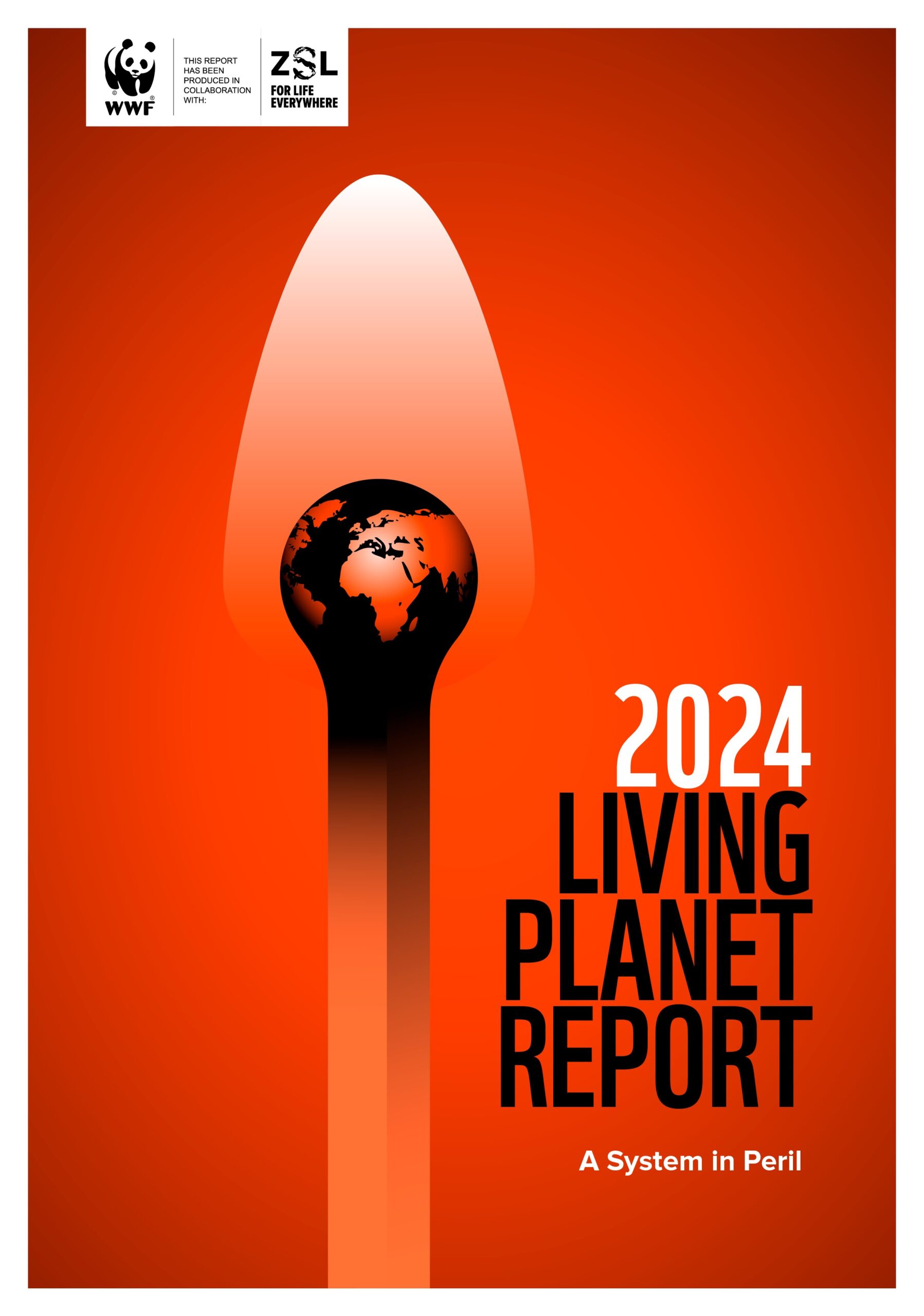
Can the concept of burnout—often associated with accumulated stress until one reaches a breaking point— be applied to our environment?
Ready for more bad, but interesting news ? After the call for action from the UN, and the alarming Circularity Gap report, the WWF publish its updated bi-annual report: Living Planet.
The 2024 WWF Living Planet Report reveals a dramatic 73% decline in wildlife populations over the last 50 years, emphasizing the idea of accumulated environmental stress, where each stressor—deforestation, climate change, and overexploitation—adds pressure to ecosystems. The concept of “tipping points” aligns closely with how these stressors lead to irreversible environmental collapse. Much like human burnout, the planet has been absorbing the impact of human activity for decades, but now several ecosystems are nearing their limits. And the systems shows cracks, we have had the hottest year to date and the most powerful storm ever is moving towards the United States….
The Accumulation of Environmental Stress
Over the past few decades, the Earth’s natural systems have faced increasing levels of stress from human activities. Habitat destruction, unsustainable resource use, pollution, and climate change have been building up, each contributing to a broader systemic strain. The consequences of these combined stressors are now visible in the rapid loss of biodiversity and the degradation of critical ecosystems. The WWF report highlights several key regions, such as Latin America, where wildlife populations have decreased by up to 94%, a clear signal of environmental systems struggling to cope.
Key Tipping Points in the Natural World
These accumulated stressors have pushed ecosystems to what scientists call tipping points—moments when the system can no longer absorb the pressure and begins to collapse, often irreversibly. The WWF report outlines several crucial tipping points, where the continuation of current trends will lead to significant, and potentially irreversible, changes:
- Amazon Rainforest Deforestation: Known as the “lungs of the Earth,” the Amazon is a critical carbon sink. However, ongoing deforestation for agriculture and resource extraction is driving the rainforest towards a tipping point. If deforestation continues, the Amazon could transform into a dry savannah, drastically reducing its capacity to store carbon and increasing global carbon emissions.
- Polar Ice Melt: The rapid melting of the polar ice caps is contributing to rising sea levels, disrupting marine ecosystems, and accelerating global warming by reducing the Earth’s reflective surface (albedo effect). Once this ice reaches a certain threshold, the loss will be self-perpetuating, driving further climate change.
- Coral Reef Bleaching: Coral reefs, which support vast marine biodiversity, are particularly sensitive to ocean temperature increases. The continued warming of the oceans has led to widespread coral bleaching, where reefs lose the algae that sustain them, causing mass die-offs. Once lost, coral reefs take decades to recover, if they recover at all.
- Freshwater Depletion: Freshwater ecosystems are under severe pressure from overuse and pollution. Many rivers, lakes, and wetlands are drying up or becoming heavily polluted. Once freshwater ecosystems collapse, they impact not only biodiversity but also human water security and agriculture.
- Permafrost Thawing: As global temperatures rise, permafrost in the Arctic is beginning to thaw, releasing vast amounts of stored carbon and methane. This contributes to further warming in a feedback loop that accelerates climate change.
The Urgency of Addressing Accumulated Stress
Each of these tipping points represents a system that has absorbed environmental stress for decades, but that is now showing signs of collapse. Much like a person who ignores the symptoms of burnout until it becomes unmanageable, these ecosystems have absorbed damage until they are on the brink of irreversible change. The idea of planetary boundaries helps frame this urgency. Planetary boundaries define the safe operating space for humanity, and crossing these thresholds leads to system collapse. The WWF report warns that we have already crossed several boundaries, particularly those related to biodiversity and climate change.
Addressing the Crisis: Reducing Environmental Stressors
To prevent further tipping points from being crossed, we need to significantly reduce the stress we place on natural systems. The WWF report stresses the need for immediate action to address the key drivers of biodiversity loss and environmental degradation. These actions include:
- Habitat Protection and Restoration: Ensuring that natural habitats are protected from further destruction is essential to preventing biodiversity loss. Reforestation and habitat restoration projects can also help ecosystems recover and increase resilience to future threats.
- Climate Action: Mitigating climate change by reducing greenhouse gas emissions, transitioning to renewable energy, and implementing adaptation strategies are crucial steps in reducing the pressure on ecosystems, particularly those most vulnerable to climate change.
- Sustainable Resource Use: Shifting towards sustainable consumption and production patterns can reduce the overexploitation of natural resources. This includes implementing circular economy principles that minimize waste and promote the reuse of materials.
- Global Cooperation: Solving the biodiversity crisis requires a coordinated global effort. Governments, businesses, and communities must work together to protect ecosystems, promote sustainable practices, and implement effective environmental policies.
Hope for Recovery
The environmental tipping points highlighted by the WWF report represent a dire warning, but they also provide an opportunity for action. Nature has a remarkable ability to regenerate when given the chance, and proactive conservation efforts can still reverse some of the damage. Projects like rewilding and the creation of protected areas have shown that ecosystems can recover, and wildlife populations can rebound if stressors are reduced.
However, time is of the essence. Every delay in addressing these tipping points increases the risk of irreversible environmental collapse. Much like a person in burnout requires rest and recovery, our planet needs immediate relief from the pressures that have built up over decades of unsustainable practices.
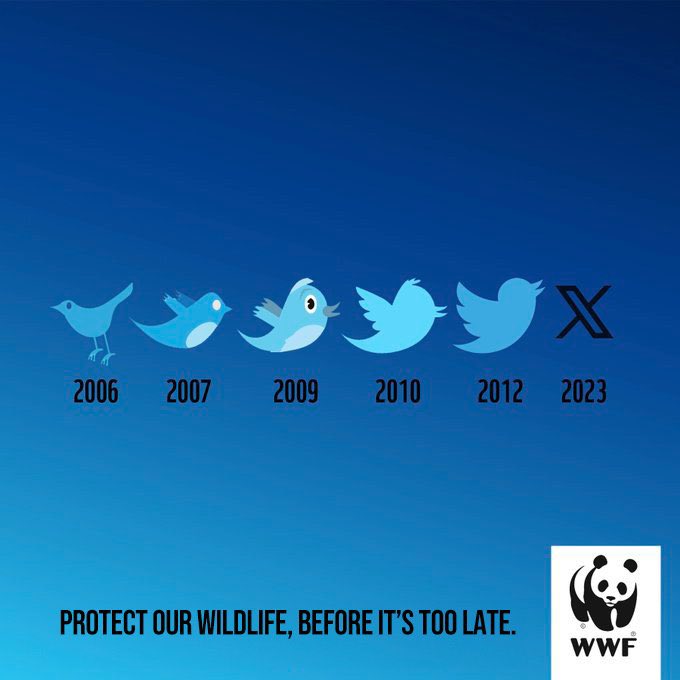
Let’s act before it’s too late
The Earth is reaching a tipping point. The accumulated stress from deforestation, climate change, and overexploitation is pushing ecosystems beyond their limits, threatening biodiversity and the services that sustain human life. The WWF’s 2024 report is a stark reminder that we are at a critical juncture. If we do not take immediate action to reduce environmental stressors, we risk crossing irreversible tipping points, leading to catastrophic consequences for both nature and humanity.
By addressing the root causes of biodiversity loss, implementing sustainable practices, and restoring damaged ecosystems, we can still prevent further tipping points from being crossed and give the planet—and ourselves—a chance to recover.