

The Role of Packaging in Modern Business
Packaging is often a crucial element of a company’s marketing strategy, acting as an emblem of the product itself. Iconic examples like Toblerone’s triangular box or McDonald’s Happy Meal box illustrate how packaging can become a symbol of brand identity. However, beyond its role in branding, packaging also significantly impacts the environment. The criticism Amazon faced for using oversized boxes is a prime example of how wasteful packaging practices can attract negative attention. In response, businesses are increasingly focused on reinventing their packaging to make it not only functional and visually appealing but also sustainable.
Innovative Approaches to Sustainable Packaging
And the industry is quite innovative, coming up with many ways to achieve this! During my time at Amazon, I loved the idea of shifting to e-commerce-friendly packaging was inspiring. The idea is simple yet powerful: create packaging that’s ready for shipment, eliminating the need for extra layers and reducing waste. And Amazon was lobbying this idea directly with the largest FMCG companies to make an impact.
In this article, we explore practical strategies to enhance packaging sustainability, each with its definition, real-life examples, and potential for sustainability.
Practical Strategies for Enhancing Packaging Sustainability
1. Using Sustainable Materials
The choice of materials in packaging plays a critical role in its environmental impact. By opting for sustainable materials, businesses can significantly reduce their ecological footprint. These materials, whether derived from responsibly managed forests, recycled sources, or compostable plant-based options, are designed to minimize environmental harm while maintaining functionality and appeal. Sustainable material selection is the foundation for creating packaging that aligns with modern ecological values.
- Cardboard from Sustainable Sources
- Explanation: Sourcing cardboard from sustainably managed forests ensures that the materials used do not contribute to deforestation or environmental degradation. Certifications like FSC (Forest Stewardship Council) guarantee that the cardboard comes from responsibly managed forests.
- Example: IKEA’s use of FSC-certified cardboard demonstrates a commitment to sustainable forestry practices, contributing to forest conservation and reducing environmental harm.
- Impact: High sustainability potential due to its role in promoting forest conservation.
- Recycled Cardboard or Plastic
- Explanation: Incorporating recycled content in packaging reduces the demand for virgin materials, conserving natural resources and reducing waste. This practice also supports the recycling industry by providing a market for recycled materials.
- Example: Loop Industries’ transformation of waste plastic into high-quality PET plastic used by major brands showcases how recycling can be integrated into packaging on a large scale.
- Impact: High sustainability potential due to waste reduction and resource conservation.
- Compostable Materials
- Explanation: Compostable packaging is designed to break down safely in composting environments, returning nutrients to the soil. This type of packaging is particularly beneficial for products that are likely to be disposed of quickly.
- Example: SunChips’ use of compostable bags made from plant-based materials is a pioneering example, though it faced challenges in consumer acceptance due to noise levels.
- Impact: Moderate to high sustainability potential, as it can significantly reduce landfill waste and enrich soil.
2. Using Fewer Materials
Reducing the amount of material used in packaging is a direct way to lessen environmental impact. Minimalist and customized packaging designs focus on using only what is necessary to protect and present the product, thereby cutting down on waste. This approach not only conserves resources but also reduces costs and enhances the efficiency of the entire packaging process, reflecting a commitment to sustainability in every aspect.
- Minimalist Packaging
- Explanation: By simplifying packaging designs, companies can use fewer materials, reducing resource consumption and waste. Minimalist packaging often focuses on the essential functions of protection and branding without unnecessary frills.
- Example: Apple’s packaging is renowned for its minimalist approach, which not only enhances the unboxing experience but also minimizes environmental impact.
- Impact: High sustainability potential through resource and waste reduction.
- Customized Packaging
- Explanation: Tailoring the size and shape of packaging to the specific dimensions of a product reduces the need for excess material and minimizes void space. This approach also improves shipping efficiency.
- Example: Amazon’s technology for customizing parcel sizes to fit specific products exemplifies how tailored packaging can reduce waste and optimize material usage.
- Impact: High sustainability potential by minimizing waste and improving efficiency.
- E-commerce Focused Packaging
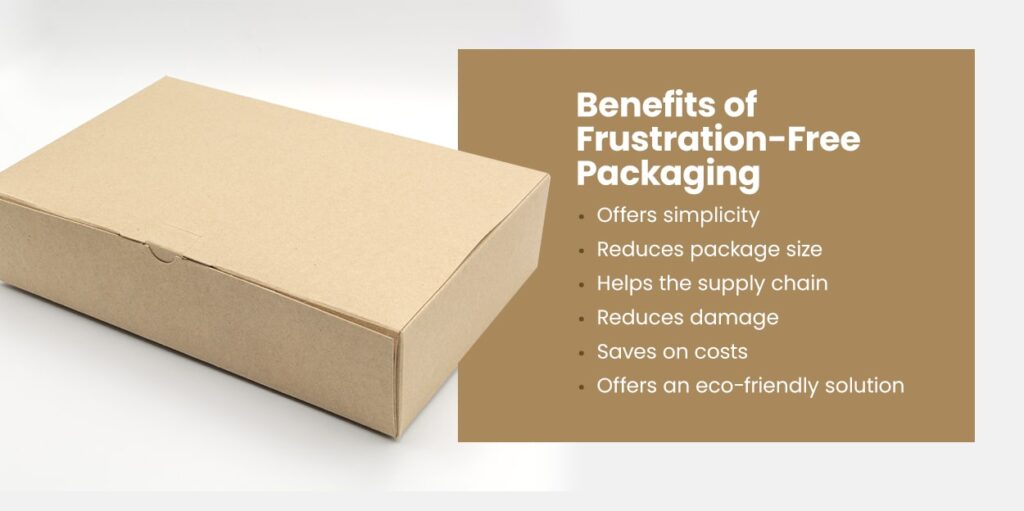
- Explanation: Packaging designed specifically for online retail can be optimized for protection and efficiency, often eliminating the need for additional layers or materials that are necessary for in-store displays.
- Example: Amazon’s “Frustration-Free Packaging” initiative reduces the use of excess materials and focuses on recyclability, aiming to improve both the customer experience and environmental impact.
- Impact: Moderate sustainability potential as it balances protection with material efficiency.
3. Increasing Packaging Lifecycle
Extending the lifecycle of packaging is a powerful strategy for sustainability. By designing packaging that is reusable, recyclable, or multi-functional, companies can ensure that their packaging stays out of landfills and serves multiple purposes over time. This approach not only reduces waste but also encourages a circular economy, where packaging materials are continuously reused and repurposed, minimizing the need for new resources.
- Reusable Packaging
- Explanation: Designing packaging that can be reused multiple times extends its lifecycle, reducing the need for single-use packaging. This approach is particularly effective in reducing waste in industries where packaging is a significant cost and environmental burden.
- Example: The Loop platform’s use of durable containers that customers return for refilling represents a significant shift towards a circular economy model.
- Impact: High sustainability potential due to extended packaging life and waste reduction.
- Enhanced Recyclability
- Explanation: Making packaging more recyclable involves minimizing the use of mixed materials, which are often difficult to separate during the recycling process. This increases the likelihood that packaging will be recycled rather than discarded.
- Example: Nestlé’s commitment to making 100% of its packaging recyclable or reusable by 2025 reflects a growing industry trend towards enhancing recyclability.
- Impact: High sustainability potential as it facilitates recycling and reduces landfill waste.
- Multi-functional Packaging
- Explanation: Packaging that serves additional purposes beyond its primary function can reduce the need for additional products and extend its usability. This approach can also add value to the product, enhancing the customer experience.
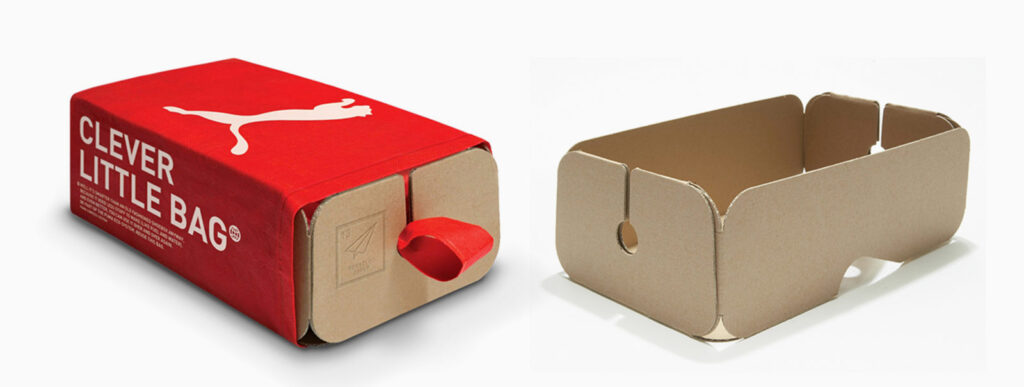
- Example: Puma’s “Clever Little Bag” reduces cardboard use and doubles as a reusable shoe bag, combining practicality with environmental consciousness.
- Impact: Moderate to high sustainability potential due to added value and extended usability.
4. Optimized Processes
Sustainability in packaging also involves optimizing the processes surrounding its production, distribution, and disposal. By partnering with eco-friendly suppliers, optimizing logistics, and producing packaging locally, businesses can reduce their overall environmental impact. These process improvements not only enhance sustainability but also often lead to cost savings and greater operational efficiency, making them a win-win for both the environment and the bottom line.
- Sustainable Supplier Practices
- Explanation: Partnering with suppliers who prioritize sustainability ensures that the entire supply chain supports environmental goals. This can involve sourcing materials from eco-friendly suppliers or collaborating with logistics partners who use green technologies.
- Example: Many companies are now incorporating sustainability criteria into their supplier selection processes, enhancing the overall sustainability of their operations.
- Impact: Moderate sustainability potential, as it influences the broader supply chain.
- Efficient Logistics and Transportation
- Explanation: Optimizing packaging for transportation efficiency involves reducing the size and weight of packages to lower transportation costs and emissions. This can also involve using innovative materials that reduce packaging volume.
- Example: Dell’s use of bamboo cushioning not only provides sustainable protection for products but also reduces the volume of packaging, improving shipping efficiency.
- Impact: High sustainability potential through emission reductions and cost savings.
- Localized Production
- Explanation: Manufacturing packaging materials close to where they will be used reduces the carbon footprint associated with transportation. This approach can also support local economies and reduce lead times.
- Example: Lush Cosmetics’ local sourcing of packaging materials demonstrates how companies can reduce transportation emissions and support local suppliers.
- Impact: Moderate sustainability potential as it cuts down on transport-related emissions.

Conclusion
By adopting these strategies, businesses can not only reduce their environmental impact but also strengthen their brand identity in an increasingly eco-conscious market. Sustainable packaging is no longer just a trend; it’s a necessity for companies aiming to stay relevant and responsible in today’s world. As sustainability continues to shape consumer preferences and regulatory landscapes, redefining packaging practices becomes essential for long-term business success.