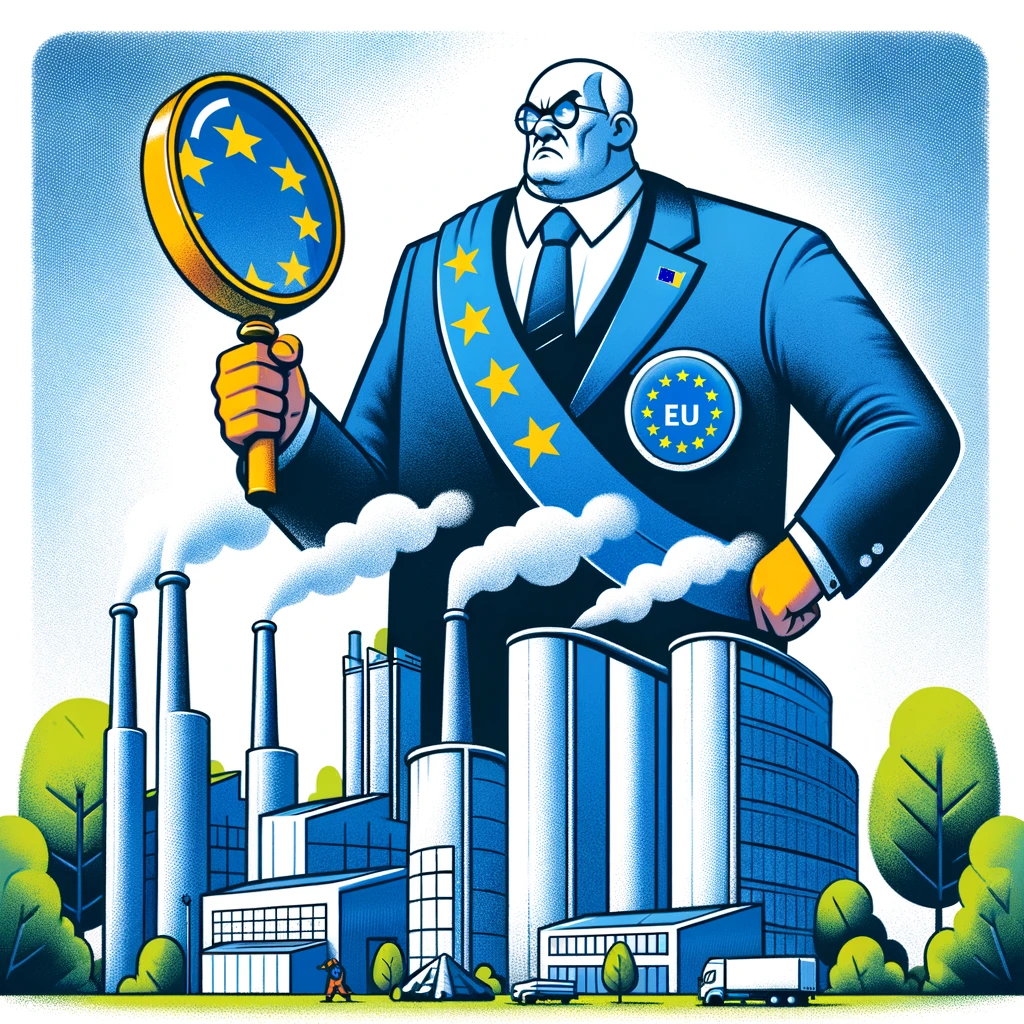
Last month, the EU voted to new rules aiming to make product labelling clearer and more trustworthy by banning the use of environmental claims such as “environmentally friendly”, “natural”, “biodegradable”, “climate neutral” or “eco” without proof.
As part of the objective to empowering consumers for the green transition, the EU wants to offer better protection against unfair practices and better information” by making it clearer for consumers what is really sustainable vs. what is greenwashing.
What It Does:
- Objective: Enhances consumer rights and prohibit greenwashing claims by amending two directives (Unfair Commercial Practices Directive 2005/29/EC and Consumer Rights Directive 2011/83/EU).
- Focus: Addresses unfair commercial practices, especially greenwashing, early obsolescence, and misleading sustainability labels.
- Key Measures:
- Information on the durability and reparability of products.
- Clear and accurate environmental claims.
- Prohibition of misleading sustainability labels and practices related to early obsolescence of goods.
Steps for Supporting a Green Claim:
The document outlines the process and document to provide to the government institutions before a green claim can be made! The final information are still due to be released, including who to contact, delays for approval etc…
- Durability Guarantee: Traders must provide information on the existence or absence of a producer’s commercial guarantee of durability for goods.
- Software Updates: Information on the availability of free software updates for goods with digital elements must be provided.
- Reparability Information: Traders must provide a reparability score or other relevant repair information for goods.
- Environmental and Social Impacts: Traders must ensure accuracy in claims regarding the environmental and social impacts of products.
- Future Environmental Performance: Environmental claims related to future performance must involve clear commitments with an independent monitoring system.
- Comparison Accuracy: For sustainability information tools that compare products, traders must provide information about the comparison method, products, suppliers, and update measures.
Consequences of Fraudulent Claims:
- Prohibitions: Several practices are banned, including the use of non-certified sustainability labels, making unfounded environmental claims, and practices related to early obsolescence.
- Enforcement Mechanisms: The proposal relies on enforcement mechanisms in existing EU consumer law, recently strengthened by the Better Enforcement and Modernisation Directive and the Representative Actions Directive.
- Sanctions for Non-Compliance: Companies breaking the rules may be excluded from public procurements, lose their revenues and face a fine of at least at 4% of their annual turnover.
So in theory, any products that will claim to be eco-friendly will have to undergo this new process and businesses who don’t may have to remove the products from sales and/or be prosecuted. There will however be exemption for small businesses in order to not add more burden to them.
With this new move, and the recent agreement on a framework regarding carbon offset, the EU is really moving toward less greenwashing and more true action.